Number Games
Lotto: 6 Facts About Odds, History and Tax
Patrycja Kozłowska
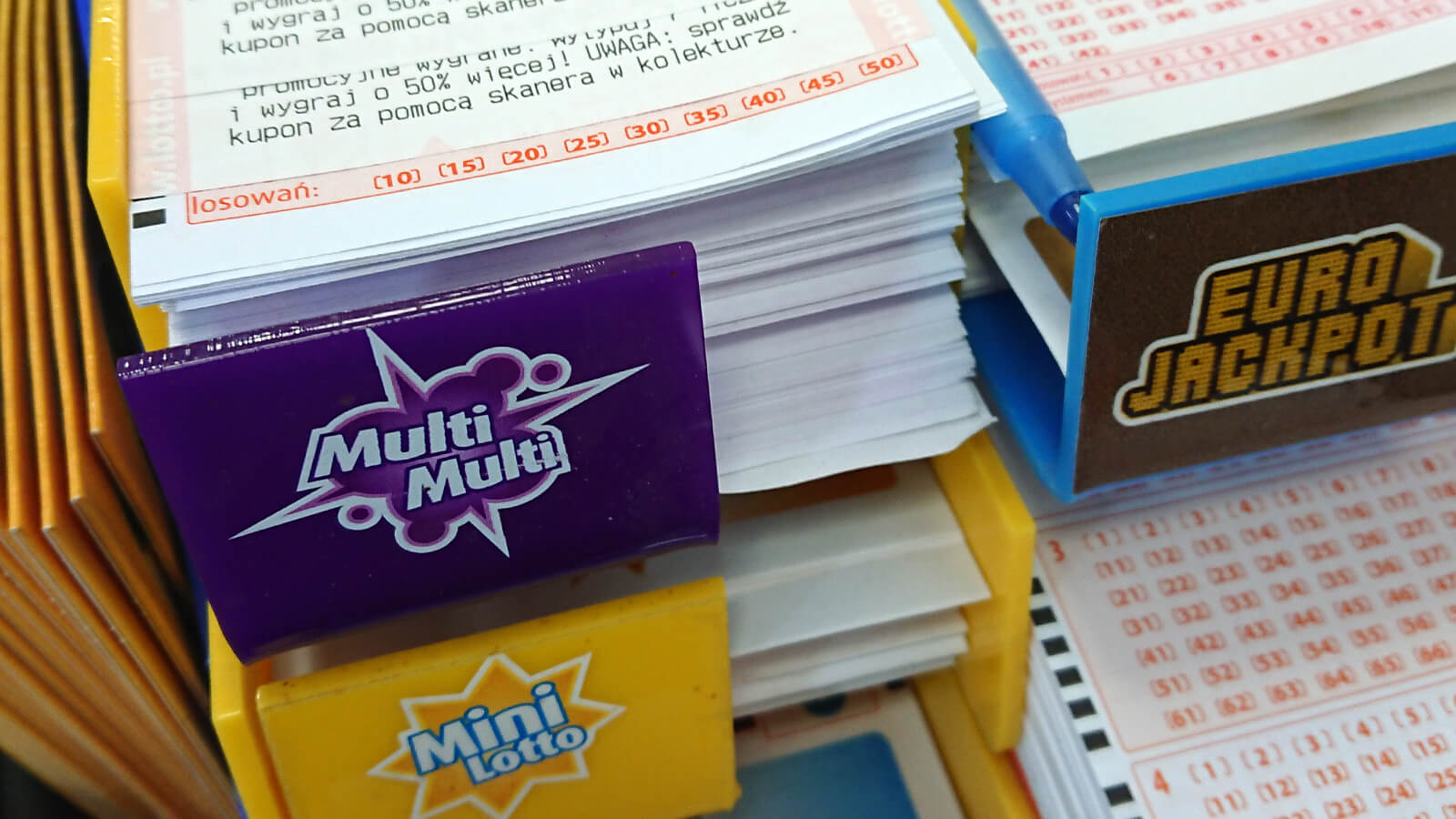
The probability of hitting six numbers in Lotto is 1 in 13,983,816 and is identical for every set of six numbers — including 1, 2, 3, 4, 5, 6. The way you pick numbers, whether by quick pick or your own choice, doesn't change this value by even a fraction of a percent. Each draw is an event independent of previous ones, so a number that hasn't appeared for a hundred draws isn't more likely than the others.
Below are six facts about the game run by Totalizator Sportowy since 1957 — no promises and no miracle methods.
Where the name Toto-Lotek came from
The first draw took place on January 27, 1957 in Sopot. The game was then called Toto-Lotek, combining two ideas: „toto” from totalizator betting known from horse racing, and „lotek” from the Italian lotto, meaning lot or fate. The name Lotto became official much later, and it's the one that stuck in everyday speech.
For the first decades, the rules looked different than today. The „6 of 49” formula has been in place for decades, but the number of draws per week and the stake amounts changed many times. The bet price last changed on August 18, 2026. Always check the current stake and draw time with the organizer, since it's the one that sets them.
The probability of each prize tier
The number of possible sets of six numbers from a pool of 49 is calculated using the combination formula. The result is 13,983,816 — that's how many different coupons you'd need to fill in to be certain of a hit. Below are the odds for all four prize tiers with a single bet.
| Tier | Matches | Odds per single bet |
|---|---|---|
| I | 6 | 1 in 13,983,816 |
| II | 5 | 1 in 54,201 |
| III | 4 | 1 in 1,032 |
| IV | 3 | 1 in 57 |
The tier-IV prize happens often enough that many players hit it several times a year — and it's exactly this that keeps the impression that „something is happening,” even though its value is symbolic. Full breakdowns of how many times each number has appeared can be found in the Lotto statistics.
Does quick pick differ from choosing your own numbers
From a probability standpoint: no. Each of the 13,983,816 sets is equally likely. The set 1, 2, 3, 4, 5, 6 has exactly the same odds as 7, 19, 23, 31, 40, 44 — even though the first looks „unnatural” and the second looks „random.” Our intuition confuses how a set looks with its probability.
There is, however, a difference that doesn't concern the odds but the potential size of the winnings. The prize pool for a given tier is split among everyone who hit it. „Neat” sets — consecutive numbers, all from one column of the coupon, birth dates falling within the 1–31 range — are picked by many people at once. If such a set is drawn, the pool is split into more shares.
The way you choose numbers therefore doesn't affect whether you win, but it can affect how much you get if you do win. If you'd rather not pick numbers yourself, use the quick pick generator.
Tax on winnings: the 2280 PLN threshold and 15 percent rate
Winnings in number games are tax-exempt up to 2280 PLN. Above this threshold, the entire winning is taxed, not just the excess. Since January 1, 2026, the rate has been 15 procent.
The tax is withheld and remitted by the organizer, so the player receives the amount already reduced and doesn't need to report it in their annual tax return. You can calculate the payout amount for a specific winning in the winnings tax calculator. Winnings above a certain value are collected at a Totalizator Sportowy branch rather than at a local outlet — the list of locations is on the where to collect your winnings page.
How the jackpot works
An unclaimed first-tier prize pool rolls over to the next draw. This is an accounting mechanism, not a sign that „the jackpot has to hit eventually.” A high jackpot attracts more players, meaning more coupons sold — and thus also a higher risk that the winnings will be split among several people.
Amounts from different years can't be compared directly. A million zloty in the nineties and a million today are two different realities; historical rankings need to account for inflation, otherwise the ranking says more about the value of money than about the game itself.
What draw statistics don't promise
Breakdowns of numbers that appear more or less often, repeatability maps, and information about how many draws have passed since a given number last appeared, are descriptions of the past. They are not predictions. A number absent for a hundred draws isn't „overdue” — the balls have no memory, and this is one of the most commonly misunderstood concepts in all of statistics, known as the gambler's fallacy.
Probability also doesn't accumulate over the time you've been playing. Someone who has been ticking the same set for thirty years has exactly the same odds before each draw as someone filling out a coupon for the first time in their life.
There are players who hit a large winning twice within a short period. This sounds like proof that luck exists, but with millions of coupons sold every week, events extremely unlikely for one person become nearly certain for some person out of the entire population of players. A streak doesn't prove the existence of a method.
Playing Lotto is available only to adults (18+). Treat it as entertainment, set a budget in advance, and don't play with money you can't afford to lose. If gambling stops being fun, free help is available, among others, from the Behavioral Addictions Helpline 801 889 880.
Tags: lotto lotto results statistics lotto analysis lotto winnings lotto statistics tax on winnings