Number Games
History of Totalizator Sportowy. How Did It All Start?
Tomasz Jania
In short
Totalizator Sportowy was established under a decision dated 17 December 1955 and began operating in January 1956. The first number game was Toto-Lotek, launched in 1957 — today's Lotto is derived from it. The company remains entirely owned by the State Treasury to this day, and part of the revenue from games feeds special-purpose funds supporting sport and culture.
Timeline: key dates
The list below organizes the events that shaped Totalizator Sportowy and Polish number games. Dates come from the encyclopedic sources listed at the end of the post.
- 1955 — on 17 December, a decision is made to establish the state-owned enterprise Totalizator Sportowy.
- 1956 — operational activity starts in January; the first bets concern football match results.
- 1957 — Toto-Lotek is launched, the first number game in Poland and the direct predecessor of Lotto.
- 1973 — the first draw broadcast on television takes place; the same year, a new drawing machine goes into use.
- 1991 — the first terminals (lottomats) appear in outlets; computerization of sales begins.
- 2003 — gambling regulations tie part of the game revenue to support for culture and national heritage.
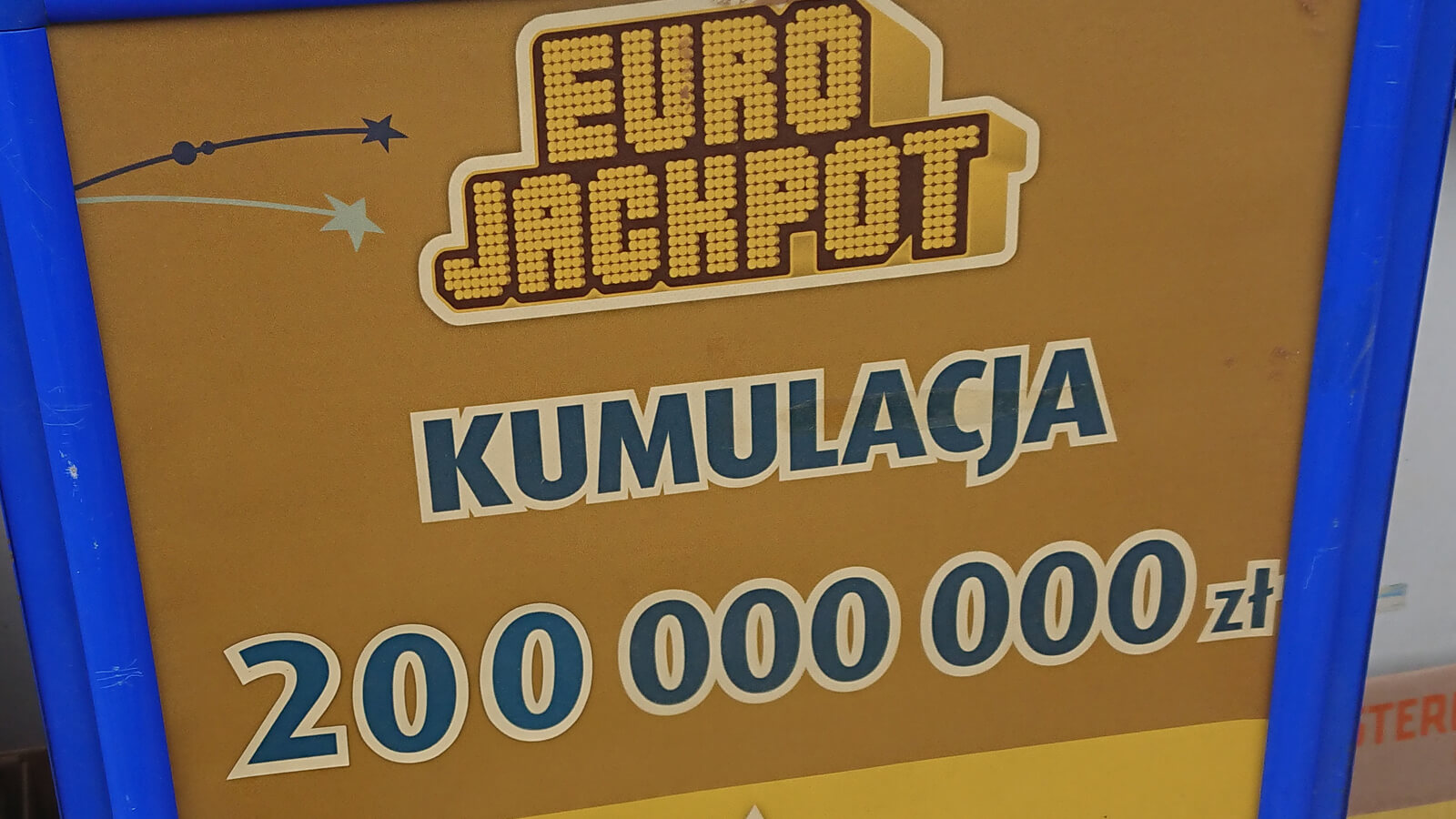
- 2012 — Eurojackpot joins the offering, a game played jointly by several European countries.
- 2018 — legal online sales of number game tickets launch, run by Totalizator Sportowy.
How Totalizator Sportowy was founded
Postwar Poland had no systematic source of funding for sports infrastructure. The community of Olympic officials convinced the authorities that the model known from Western Europe — betting on match results, with part of the proceeds returning to sport — would work here too. The decision was made on 17 December 1955, and the enterprise started operating the following January.
The first outlets opened in Warsaw, and the sales network was based on a dozen or so regional branches. Tickets were filled in by hand, results were counted without computers, and news of a win reached the player with a delay measured in days.
Toto-Lotek — the first number game
Toto-Lotek launched in 1957 and for years was the most popular game in the offering. Today's Lotto, in which you pick 6 numbers out of 49, grew out of it. The mechanism itself — the bet, the draw, the split of the pool between prize tiers — has not changed fundamentally since then.
For the first several years, draws were held publicly: in cinema halls, community centers, sometimes at stadiums. The audience's presence served a control function — the draw was meant to be public before broadcasting became possible.
Television, drawing machines, and computers
The first draw shown on television took place in 1973. Cameras replaced the audience as witness, and from then on broadcasting became standard. That same year, a more modern drawing machine went into use, replacing the manually operated device.
The second breakthrough was 1991 and the first terminals in outlets. Rolling out the online system took several years, but it changed the game fundamentally: a ticket began to be registered centrally at the moment of purchase, and verifying a win no longer depended on manual counting.
Lotto today — what the game looks like in 2026
Lotto draws take place on Tuesdays, Thursdays, and Saturdays in the evening hours, around 22:00. Lotto Plus is played alongside Lotto, using the same picked numbers if the player pays extra for the bet. Other games in the offering include Mini Lotto, Multi Multi, Kaskada, and Eurojackpot.
Check current bet prices, draw times, and the rules of individual games in the terms and conditions on the organizer's website. They change rarely, but they do change — it's not worth relying on memory from a few years back.
Where the money from the games goes
Totalizator Sportowy operates as a company whose sole owner remains the State Treasury. Besides the gambling tax, part of the revenue goes to special-purpose funds — historically supporting mainly the development of sport, and since 2003 also culture and the protection of national heritage.
These funds financed, among other things, the construction and renovation of sports facilities. In the nineteen-fifties, Poland's sports infrastructure was rudimentary; over the following decades, contributions from number games were one of the steady sources of its rebuilding.
What Lotto's history doesn't tell you about the odds
Seventy years of history means hundreds of thousands of drawn numbers, but none of them affects the next draw. Every draw is independent, and the probability of hitting the six in Lotto is 1 in 13,983,816 and doesn't change regardless of what came up before.
The historical statistics we publish on the site are a curiosity and material for analysis — not a tool for predicting the outcome. Treat the game as entertainment with a known cost upfront.
Games of chance are intended solely for adults (18+). Play responsibly and only with money whose loss would not disrupt your budget.
Tags: totalizator lotto history lotto games