Number games
Christmas Lotto lottery — rules, dates and real odds
Hubert Pacześ
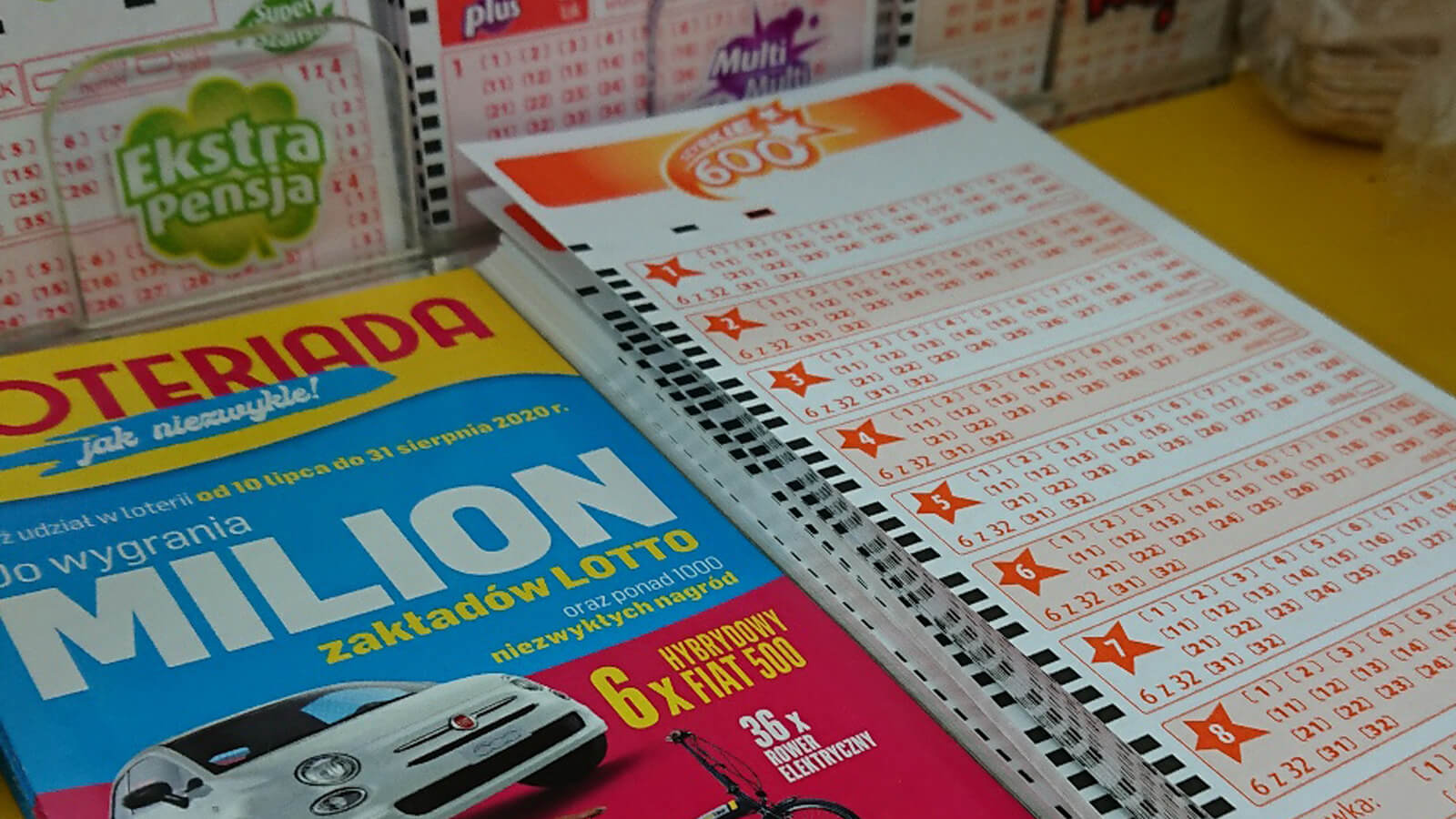
The Christmas Lotto lottery is a promotional lottery, not a separate number game: you buy a regular ticket, register its number on the campaign's website, and enter an additional prize draw. Registration costs nothing beyond the price of the bet and doesn't change the odds of hitting the six, because these are two completely independent draws — the chance remains one in 13,983,816.
Participation is limited to adults, and the dates, prize pool, and entry conditions follow from the rules of a given edition and change every year. A prize from a promotional lottery is subject to the same tax rules as a Lotto win: above the threshold of 2,280 PLN the organiser withholds a flat-rate tax.
What a promotional lottery is, and what a number game is
The December campaign run by Totalizator Sportowy is sometimes mistaken for a separate number game, but it isn't one. It's a promotional lottery attached to regular ticket sales: participation requires buying a bet within the specified period and registering its number on the website set up for that edition. The prize draw takes place separately, from the pool of registered entry numbers, and has nothing to do with the balls drawn in the studio.
This distinction matters in practice. Your ticket takes part in two independent events: the regular Lotto draw, where only the match between your chosen numbers and the drawn numbers counts, and the promotional lottery, where what counts is the entry assigned to your registered number. The outcome of one doesn't affect the other. You can win a physical prize in the lottery without matching a single number on the same bet — and the other way round.
A promotional lottery is subject to separate provisions of the gambling act and requires notification to or a permit from the supervisory authority. Hence the strict, detailed rules, the age requirement, and exclusions covering people connected with the organiser. This isn't a marketing contest run on goodwill — it's a formal procedure with deadlines, a draw protocol, and a requirement to present proof of purchase.
Entry deadlines and the draw schedule
The entry period usually falls between late November and the end of December, and the prize draw takes place after registration closes, often already after Christmas. So it's not worth treating this kind of lottery as a way to fund gifts: the result comes after the fact anyway, while the spending happens before it.
The specific dates, amounts, and prize pool are set separately for each edition and published in the rules. There's no fixed pattern you could predict in advance. The only reliable source is the announcement from Totalizator Sportowy and the rules of the given campaign — the same caution applies to amounts circulating on forums.
What doesn't change is the schedule of the Lotto draws themselves: Mondays, Wednesdays, Thursdays and Saturdays, in the evening. The ticket must be bought before sales close for a given draw, and that cutoff falls earlier than the draw itself. Leaving the purchase to the last minute means ending up in the next draw, not the one you were counting on. During the holiday period there's also the matter of changed opening hours at some points of sale, which is easy to forget on 24 December. You'll find the current dates and amounts for upcoming draws on the Lotto jackpots page.
Who can take part, and who is excluded
The rules of Totalizator Sportowy's promotional lotteries consistently limit participation to natural persons who are adults, have full legal capacity, and are present on the territory of the Republic of Poland. The requirement to be over 18 isn't a formality — it applies both to buying the ticket and to registering the entry, and breaching it means the entry is void and the right to the prize is lost.
Excluded from participation are employees and members of the governing bodies of the organiser's company, people running points of sale, and their immediate family, usually ancestors, descendants, siblings and spouses. This is a standard safeguard against conflicts of interest, found in every lottery subject to the gambling act.
It's worth checking the exact scope of exclusions in the rules of a specific edition, as the details can vary. The same goes for the form of entry: some campaigns cover only tickets bought at physical points of sale, others also allow bets placed online. What matters most is proof of purchase — without a kept ticket or transaction confirmation, even a drawn entry won't be recognised.
Tax on a prize from a promotional lottery
A prize from a promotional lottery is subject to flat-rate income tax on the same terms as a win in a number game. The rate is 15 percent and has applied since 1 January 2026. The exemption covers prizes whose single value doesn't exceed 2,280 PLN — this threshold hasn't changed and applies to a single prize, not to the sum of wins in a year.
| Prize value | Tax | Payout |
|---|---|---|
| 2,000 PLN | 0 PLN (exemption) | 2,000 PLN |
| 2,280 PLN | 0 PLN (threshold inclusive) | 2,280 PLN |
| 5,000 PLN | 750 PLN | 4,250 PLN |
| 20,000 PLN | 3,000 PLN | 17,000 PLN |
The organiser withholds and remits the tax, so the winner receives an amount already reduced and doesn't need to declare it separately in their annual tax return. For a physical prize — a car, equipment, a trip — the basis is its market value stated in the rules, and the winner usually pays the equivalent of the tax before collecting it. You can calculate your own amount in the prize tax calculator.
What are the real odds in the lottery and in Lotto itself
In the promotional lottery, the probability of winning depends solely on the ratio of the number of prizes to the number of entries. If several dozen prizes were drawn in a campaign and there were several hundred thousand entries, the chance for a single ticket amounts to a fraction of a per mille. It can't be calculated in advance, because the number of participants is only known once registration closes. This is the fundamental difference from Lotto, where the probability is fixed and follows from mathematics, not from turnout.
In Lotto itself, the chance of matching six numbers out of forty-nine in a single bet is one in 13,983,816 combinations. This value doesn't change in December, doesn't depend on how many people are playing, and doesn't depend on whether you registered your ticket in the lottery. Each draw is independent of the previous ones — the balls don't remember what came up a week ago, and the machine doesn't even out any backlog.
That's why every strategy based on overdue numbers, hot numbers or particularly lucky dates is only a way of choosing numbers, not a way of changing the probability. The frequency statistics we publish on the site describe the past and have informational value, not predictive value. This distinction is fundamental and worth keeping in mind whenever someone promises a winning method.
Reasonable participation — what it costs and where to draw the line
If you're buying a ticket anyway, registering it in the promotional lottery is cost-neutral: you pay nothing beyond the price of the bet, and it takes a few minutes to enter the number in the form. From this perspective there's no reason to skip it — it's an extra draw at no extra cost.
The opposite situation looks quite different: buying additional tickets just to have more entries. That's a deliberate increase in spending, and it's easy to lose track, especially in December, when the household budget is already stretched. The festive dressing-up of promotional campaigns, with Christmas trees and countdowns to the holiday, plays on emotions and encourages spending more than planned. It's worth remembering that the price list for bets changed on 18 August 2026 — ten bets cost differently today than in previous seasons.
Reasonable participation looks simple: set an amount you can spend on entertainment and whose loss won't hurt, stick to it regardless of the jackpot size, treat a win as a surprise rather than a line item in a financial plan. Gambling is available only to adults, and if you notice that playing stops being entertainment and starts being a compulsion, it's worth seeking help — free counselling is provided, among others, by the National Centre for Addiction Prevention.
Frequently asked questions
Does registering a ticket increase the chance of hitting the six?
No. These are two independent draws, and the probability of matching six numbers remains unchanged: one in 13,983,816. Registration only gives you an entry in the additional prize draw.
Does taking part in the lottery cost anything extra?
In editions so far, no — the condition was buying a regular ticket of a specified minimum value and registering it on the campaign's website. The details are always governed by the rules of the given edition.
When will I find out about a win, and what should I keep?
The organiser contacts the winner directly, who then has a deadline set in the rules to provide proof of purchase. Don't dispose of the ticket or transaction confirmation until the results are announced. Large prizes are collected at branch offices — we maintain a list of them with addresses on the site.
Is a physical prize taxed too?
Yes, on the same terms. The basis is the market value of the prize stated in the rules, the rate is 15 percent, and the exemption covers a value of up to 2,280 PLN. For a physical prize, the winner usually pays the equivalent of the tax before collecting it.
Tags: loterie lotto święta loteria promocyjna Boże Narodzenie podatek od wygranej